Back to Blog
What’s the Difference Between Microbiology & Biochemistry?

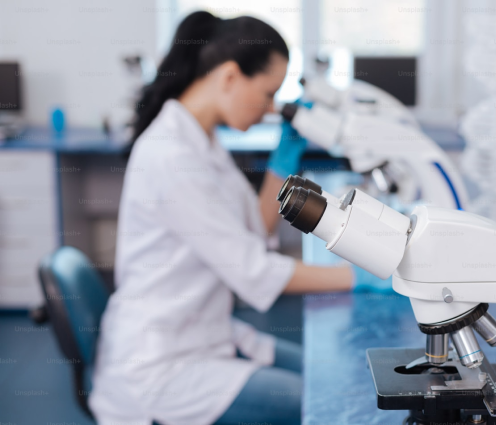
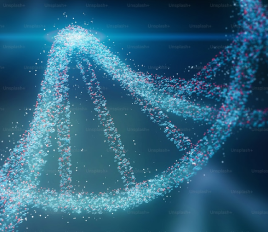
The main difference between microbiology and biochemistry is their area of focus. Microbiology studies microorganisms such as bacteria, fungi, viruses, and other microbes, while biochemistry examines the chemical processes, molecules, and reactions that occur within living organisms.
In simple terms, microbiologists focus on what microorganisms do, while biochemists focus on how biological molecules make life possible.
Key Takeaways
- Microbiology studies microorganisms and their interactions with humans, animals, plants, and the environment.
- Biochemistry studies the chemical and molecular processes that drive life.
- Both disciplines contribute to medicine, biotechnology, agriculture, and pharmaceutical development.
- There is significant overlap between the two fields, particularly in genetics, drug discovery, and biotechnology.
Microbiology vs Biochemistry: A Side-by-Side Comparison
|
Feature |
Microbiology |
Biochemistry |
|
Main Focus |
Microorganisms |
Biological molecules and chemical processes |
|
Studies |
Bacteria, fungi, viruses, microbes |
Proteins, enzymes, DNA, RNA, lipids |
|
Key Question |
How do microorganisms function and interact? |
How do molecules and reactions sustain life? |
|
Common Techniques |
Cell culture, microscopy, microbial analysis |
Chromatography, spectroscopy, molecular assays |
|
Applications |
Infectious disease, food production, biotechnology |
Drug discovery, diagnostics, healthcare, nutrition |
|
Typical Careers |
Microbiologist, Virologist, QC Microbiologist |
Biochemist, Analytical Scientist, Drug Discovery Scientist |
What Is Microbiology?
Microbiology is the branch of biology that studies microorganisms and their impact on the world around us. These microorganisms include:
- Bacteria
- Viruses
- Fungi
- Yeasts
- Algae
- Protozoa
Microbiologists investigate how these organisms live, reproduce, evolve, and interact with humans, animals, plants, and ecosystems.
What Do Microbiologists Study?
Microbiologists may focus on:
- Infectious diseases
- Antimicrobial resistance
- Food safety
- Vaccine development
- Environmental microbiology
- Industrial biotechnology
Microbiology has played a crucial role in many of the most important scientific advances of the last century, from antibiotics and vaccines to modern genetic engineering.
What Is Biochemistry?
Biochemistry combines biology and chemistry to understand the molecular mechanisms that allow living organisms to function.
Rather than studying entire organisms, biochemists focus on the molecules that make life possible, including:
- Proteins
- DNA
- RNA
- Enzymes
- Carbohydrates
- Lipids
Biochemistry helps explain how cells generate energy, communicate, grow, repair themselves, and respond to disease.
What Do Biochemists Study?
Biochemists commonly investigate:
- Cellular metabolism
- Protein interactions
- Genetic processes
- Drug mechanisms
- Disease pathways
- Molecular diagnostics
Their research underpins many advances in pharmaceuticals, personalised medicine, and biotechnology.
What Are the Biggest Differences Between Microbiology and Biochemistry?
1. Subject Matter
The most obvious difference is what each discipline studies.
Microbiology centres on living microorganisms, while biochemistry focuses on the molecules and chemical processes found within all living organisms.
2. Research Techniques
Microbiologists often use:
- Microscopy
- Cell culture techniques
- Microbial identification methods
- Environmental sampling
Biochemists commonly use:
- Chromatography
- Spectroscopy
- Protein analysis
- Molecular biology techniques
These tools help researchers answer very different scientific questions.
3. Career Applications
Microbiology careers often focus on pathogens, public health, food production, and environmental science.
Biochemistry careers frequently focus on drug development, molecular diagnostics, clinical research, and pharmaceutical innovation.
How Do Microbiology and Biochemistry Overlap?
Although they are distinct disciplines, there is significant overlap between microbiology and biochemistry.
Understanding Microbial Processes
Microorganisms are built from biochemical components such as proteins, nucleic acids, and lipids.
To understand how microbes function, microbiologists often need knowledge of:
- Enzyme activity
- Metabolism
- DNA replication
- Protein synthesis
All of which fall within biochemistry.
Drug Development
Many modern medicines require expertise from both fields.
For example:
- Microbiologists may identify a disease-causing organism.
- Biochemists may analyse molecular pathways and develop potential treatments.
This collaborative approach is common across pharmaceutical and biotechnology organisations.
Which Degree Is Better: Microbiology or Biochemistry?
There is no universally "better" option. The right choice depends on your interests and career goals.
Microbiology May Be a Better Fit If You Enjoy:
- Infectious diseases
- Laboratory culturing work
- Public health
- Microbial genetics
- Environmental science
Biochemistry May Be a Better Fit If You Enjoy:
- Chemistry and biology
- Molecular science
- Drug development
- Research and development
- Disease mechanisms
Both subjects provide strong foundations for careers across life sciences, healthcare, pharmaceuticals, and biotechnology.
Which Field Has Better Career Prospects?
Both disciplines continue to play an important role in tackling global challenges.
Microbiology is increasingly important for:
- Emerging infectious diseases
- Vaccine development
- Antimicrobial resistance
- Sustainable biotechnology
Biochemistry remains critical for:
- Precision medicine
- Drug discovery
- Diagnostics
- Biologics development
- Cell and gene therapy
As healthcare and biotechnology industries continue to grow, demand for professionals in both areas is expected to remain strong.
Frequently Asked Questions
Is microbiology harder than biochemistry?
Both subjects are academically challenging. Microbiology often involves understanding living systems and microbial behaviour, while biochemistry focuses heavily on chemistry, molecular interactions, and metabolic pathways.
Can a microbiologist become a biochemist?
Yes. Many of the underlying scientific principles overlap, and professionals often move between related life sciences disciplines throughout their careers.
Do microbiology and biochemistry work together?
Absolutely. Modern biotechnology, pharmaceutical development, and medical research frequently require expertise from both microbiology and biochemistry.
Which degree is better for pharmaceutical careers?
Both can lead to successful pharmaceutical careers. Biochemistry is often associated with drug discovery and molecular research, while microbiology is commonly linked to quality control, biologics, and vaccine development.
Which field pays more?
Salary depends more on industry, location, experience, and specialisation than on the degree itself. Both disciplines can lead to highly rewarding careers within the life sciences sector.
Looking for a Career in Life Sciences?
Whether your background is in microbiology, biochemistry, biotechnology, or another scientific discipline, there are exciting opportunities across the life sciences sector.
At Hyper Recruitment Solutions, we partner with leading pharmaceutical, biotechnology, healthcare, and research organisations to connect talented scientists with outstanding career opportunities.
From laboratory-based roles and research positions through to quality, manufacturing, regulatory affairs, and drug development careers, our specialist recruiters can help you find the right next step.



Looking for a New Role – or Searching for Top Talent? Let’s Talk
Whether you're exploring your next career move or looking to hire skilled professionals, HRS is here to help.
We connect ambitious individuals with exciting opportunities across science, technology, and innovation-led sectors. From early careers to executive search, our expert recruiters work closely with both candidates and employers to ensure the perfect match.
If you're hiring, we’ll help you find the right people. If you’re job hunting, we’ll help you take the next step. Browse our latest jobs or get in touch to find out how we can support you.